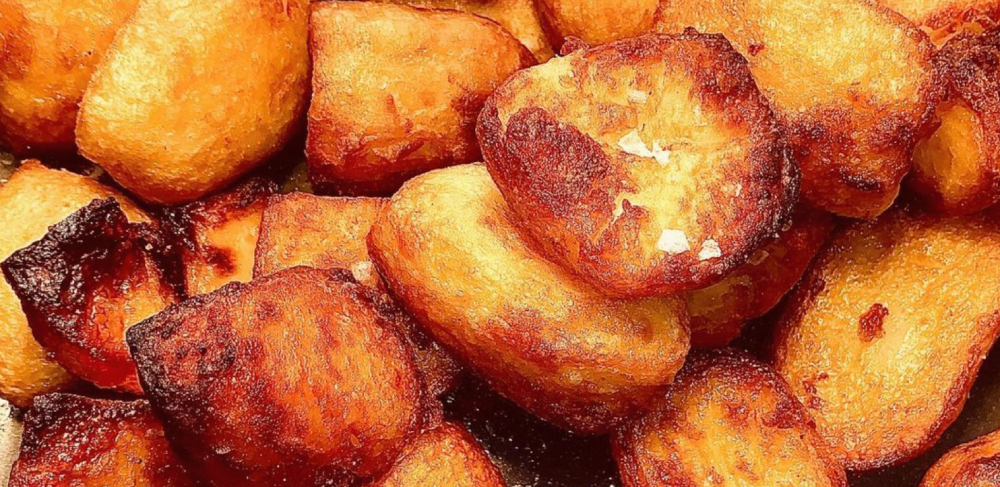

Many a tourist in Brighton will have found themselves wandering through The Lanes, only to realise they’ve subconsciously followed their nose into a local sweet shop. The sweet, irresistible smell of Brighton fudge has pulled them through the door, where an array of tempting fudge slices awaits! As a lifelong fudge enthusiast, I’ve put together this comprehensive guide to explore the rich history, surprising origins, and enduring demand for a treat that we often take for granted.
Where is Fudge From?
Whilst commonly regarded as a classic British treat, the true origin of fudge is actually found in American history. The earliest written mention of fudge can be traced back to 1886 in a letter by Emelyn Battersby Hartridge, a student at Vassar College in New York. Emelyn described making fudge for a senior auction. It is commonly accepted that the girls attending the university would hold late night and secretive cooking events where they would share confectionery with one another, including “fudges”. This became so popular that they held ‘fudge parties’, cooking on the lamps in the dorms at Vassar College.
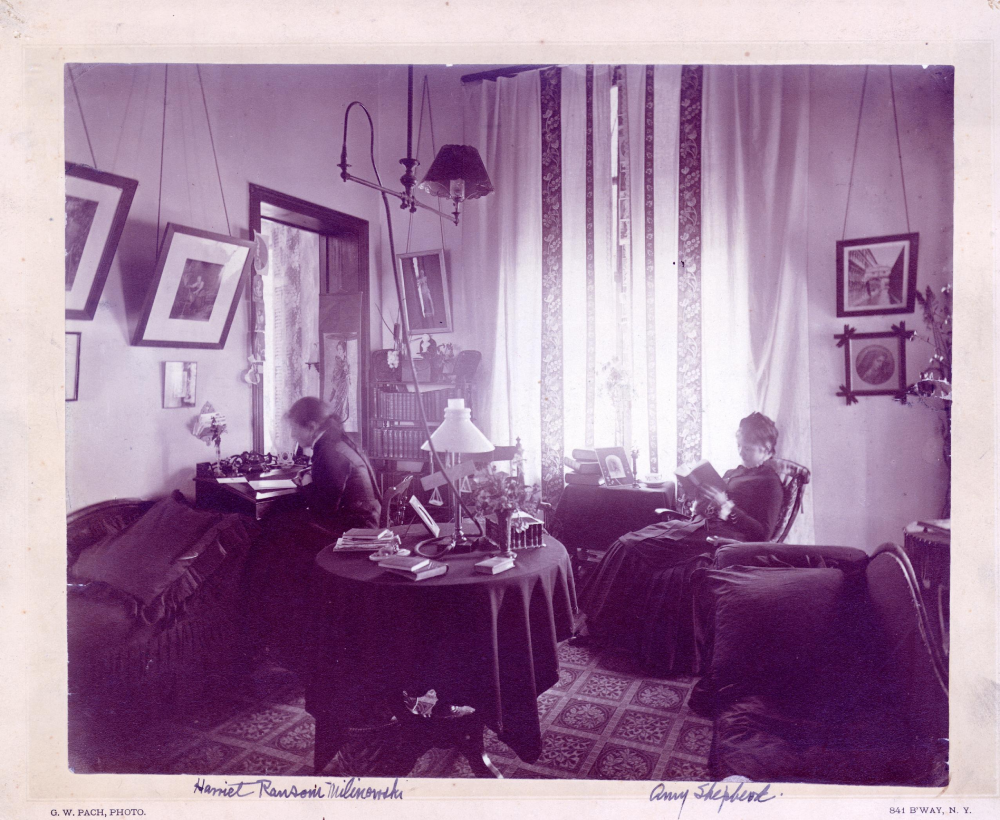
With such dedication, it’s no surprise that this tasty treat quickly spread across American college campuses, gaining particular popularity in women’s colleges. Whilst Emelyn’s original letter appears to be safely archived and remains elusive, I was at least able to uncover a very early recipe during my many hours of research – which I understand to be the first fudge recipe that was ever sent to print, known at the time as “Fudges.”
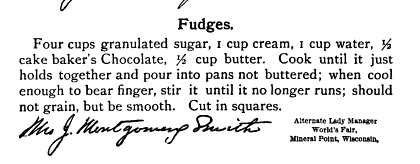
The recipe reads:
“Four cups granulated sugar, 1 cup cream, 1 cup water, ½ cake baker’s chocolate, ½ cup butter. Cook until it just holds together and pour into pans not buttered; when cool enough to bear finger, stir it until it no longer runs; should not grain, but be smooth. Cut into squares.” – Mrs. J. Montgomery Smith. Mineral Point, Wisconsin.
By the early 1900s, fudge had made its way across the Atlantic to the UK, quickly gaining popularity, particularly in London and seaside towns like Brighton. British confectioners embraced fudge for its low cost and adaptability to a range of flavours. Sweet shops began to refine the original recipe, incorporating higher-quality local ingredients such as British butter and cream. These enhancements led to a richer, smoother fudge that closely resembles what we enjoy today. Over time, Brighton, along with other seaside towns like Blackpool, became famous for mouth watering fudge.
Local Brighton Fudge Shops
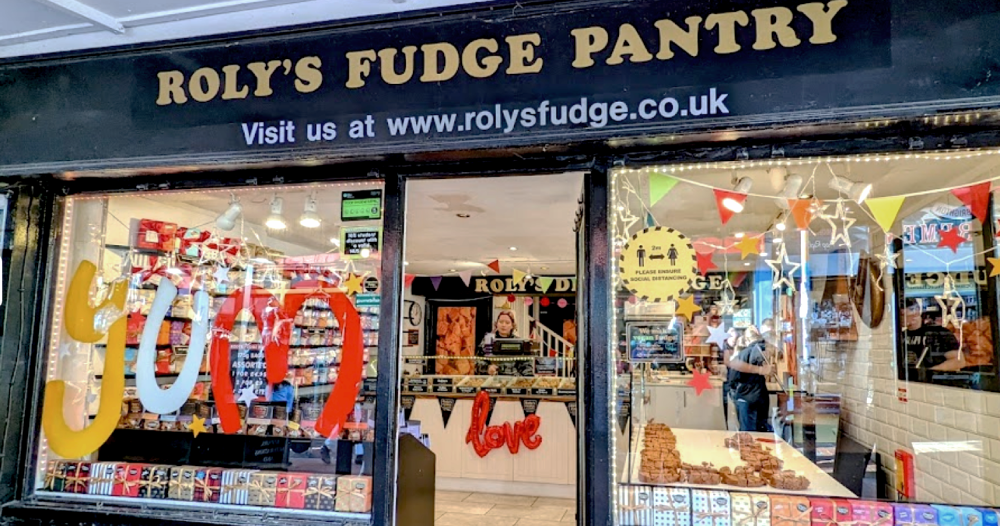
A lot of fudge that is sold in Brighton is from elsewhere, notably from Blackpool – similar to a lot of the Brighton rock. Many independent Brighton fudge shops have come and gone over the years but some places do still make it in-house. One of Brighton’s best current fudge makers in 2024 is Roly’s Fudge, who have been selling to locals and tourists since opening in 2008. Whilst Roly’s Fudge is originally from Devon (like me!), they’ve definitely become a part of Brighton. They’re mindful of the city’s unique heritage and have made a name for themselves over the years. I highly recommend that you visit their store – it’s a treat in itself to watch the entire fudge making process, from boiling the sugar to cooling and cutting the fudge into slabs. The smell alone is worth the visit, and it’s super fun to watch!
Brighton also boasts a range of other fantastic sweet shops, especially around The Lanes, North Laine, and The Open Market. These shops focus on quality over quantity, you can also find various independent sweet makers selling small batches of authentic, handmade fudge with unique flavours in the market.
The Cultural Significance of Fudge in Britain
Fudge holds a special place in British culture, often evoking nostalgia and fond memories of seaside holidays for many. Fudge shops are a common sight in British coastal towns like Brighton, their vibrant displays and enticing aromas drawing in passing tourists. These old-fashioned sweet shops, with their vintage vibe and classic aesthetic, offer an experience that high street chains simply cannot replicate.
In Brighton, traditional seaside treats like rock candy, fudge, and candy floss are all part of the city’s identity. However, with high street chains gradually taking over more commercial spaces, it’s crucial to cherish and support these local traditions. By doing so, we help preserve Brighton’s distinctive character.
“Supporting independent Brighton sweet shops helps to maintain our city’s character. Choosing local fudge helps to prevent the spread of those suspicious ‘American Candy stores’. Like the ones that have popped up all over London.”
– Mitch Smith, Brighton Bites Back
How Brighton Fudge is Made
Making classic British fudge is a bit of a science and it requires precision and patience. The old school recipes started with a combination of sugar, butter, and milk (or cream) and were then heated up to a specific temperature known as the ‘soft ball stage’ – generally this is around 113°C to 118°C, but varies depending on the mix. After this point, the mixture is left to cool and is beaten until it turns into a smooth and creamy texture.
The secret to making quality fudge lies in the timing. The skills to do this can actually take years to perfect. From many of my own early attempts, I learned that managing the crystallisation process is central to avoiding a grainy texture. Lumpy sugar crystals are an unpleasant surprise, even for those with the sweetest tooth!
Fortunately, as time has passed, fudge recipes have evolved and so has kitchen technology. Contemporary techniques incorporate ingredients like cream, corn syrup, or marshmallows, which really help to prevent the sugar from crystallising too quickly. This helps to make smoother fudge textures.
In Brighton, traditional butter fudge remains the local favourite, but local shops are always experimenting with new flavours, such as Indian chai (a nod to Brighton’s past) and even some featuring different flower honeys. If you ask nicely, you’re usually able to get a free sample or two, so you can find your favourite flavour without having to buy a whole slab! That’s one of the things I love about proper sweet shops – you couldn’t get away with that in Sainsbury’s.
Some of my favourite local fudge flavours in Brighton that you should try:
Butter Fudge: The classic and simplest version of fudge, butter fudge boasts a rich, creamy texture and a sweet buttery flavour. It serves as the perfect introduction to the fudge world for those who appreciate the basics. Made with milk and butter from local Sussex farms, you can’t go wrong here.
Vanilla Fudge: Infusing a hint of vanilla adds a lovely warmth and depth to this fudge, elevating it beyond the typical flavour. This is a classic choice that goes very well with a cup of tea in the afternoon.
Sea Salt Caramel Fudge: One of my new favourites, sea salt fudge was meant to exist on this Earth. The sweetness of fudge works nicely with a touch of salt, creating a nice balance. I quite like that the sea salt pays nods to Brighton’s coast and introduces a savoury twist. Making it a good gift for tourists to take home to friends and family!
Indian Chai: Using inspiration from Brighton’s past, this fudge offers the warm and slightly spicy notes of chai tea. It’s an excellent option for those seeking something a little unique and it perfectly reflects Brighton’s multicultural influences.
Lavender Fudge: Whilst this ones not for me, my partner loves it! The lavender’s delicate floral aroma and flavour, lavender fudge is a distinctive Brighton specialty that embodies the town’s creative spirit. It’s an adventurous pick for those who love to explore new tastes.
The Future of Brighton Fudge
Whilst fudge may seem like just a simple souvenir, there is actually quite a lot going on at the moment and especially in Brighton. With the city being at the forefront of veganism, local sweet makers in Brighton are producing some tasty dairy-free and low-sugar options. Many shops offer vegan varieties made with ingredients like cashew or almond butter and coconut milk.
There’s also a noticeable shift towards small batch, artisanal fudge, with a strong emphasis on quality. This approach allows makers to try new flavours such as chilli chocolate. This trend is of course part of a broader movement across the UK and the West in general, where consumers are becoming more conscious of sustainable food practices and supporting local businesses in response to the impacts of late stage capitalism.
Conclusion
Brighton fudge is a wonderful mix of tradition, creativity, and local culture. From the rich, buttery classics to adventurous new flavours, fudge in Brighton has something to offer everyone. Its lasting appeal comes from its simplicity, versatility, and the happiness it brings to those who create and enjoy it. As the fudge world continues to change, Brighton stays at the forefront, merging time-tested methods with contemporary ideas to produce fudge that is both fun and distinctive.
About the Author
Thanks for reading Brighton Bites Back! If we haven’t met yet, I’m Mitch Smith, a passionate foodie and researcher with a love for all things sweet. So, why fudge? I’ve personally sampled hundreds of fudges across the UK, but there’s something uniquely great about the fudge here in Brighton. Growing up in Devon, a region famous for fudge, and tasting Cornwall’s best, I’ve developed an appreciation for this British treat. I even had the privilege of judging fudge at the Torbay Food Festival in 2016, where I learned about the artistry that goes into every batch.
Fudge making runs in my family, my granny was a brilliant fudge maker who sold her delectable creations from our home for over 16 years. I remember the long lines on summer Sundays as people eagerly awaited her renowned fudge. She taught me everything I know, from achieving the ideal texture to experimenting with new flavours and engaging with customers. This foundation has been invaluable, especially now that I’m part of a local fudge committee in the South of England. We gather once a year to taste the finest fudges and exchange tips on how to improve our craft.
I’ve spent countless hours in Brighton’s fudge shops, chatting with the owners. When I say I’ve done my research, I truly mean it – I’ve dedicated over a year to exploring the origins of fudge, delving into old archives and absorbing as much history as possible.
Thanks for reading, and here’s to enjoying many more sweet treats together!
Fun Facts About Fudge, FAQs
Fudge in Space: Believe it or not, fudge has made its way beyond Earth! In 1965, during the Gemini 3 mission, astronaut John Young playfully smuggled some fudge (along with a corned beef sandwich) onto the spacecraft. This made fudge one of the first sweet treats to accompany astronauts into space.
Fudge as a Currency: During World War 2, fudge was said to be used by soldiers as a makeshift currency. Its comforting sweetness offered a small taste of home, making it a valuable item for trading among troops and was part of their food ration kit.
The Meaning of the Word “Fudge”: Before fudge became synonymous with a sugary treat, the word had a few different meanings. In the 17th century, “fudge” meant to clumsily piece things together. By the 19th century, it evolved to mean a trick or deceit. The creation of the candy – supposedly from a botched caramel recipe where someone “fudged” the process, giving the word a new twist!
Is Fudge From America or Scotland? We May Never Know!: Although often seen as an American classic, fudge may actually have its roots in Scotland. It’s believed to have evolved from Scottish tablet, a denser and grainier treat made with similar ingredients. The American version of fudge is softer and creamier, making it distinct yet closely related to its Scottish counterpart.
Fudge and Fondant Are Very Similar: Fudge and fondant have more in common than just their sweet flavour. While fudge is drier and slightly firmer, the process of making both involves heating sugar mixtures to specific temperatures to achieve a smooth texture. Fondant, often used in candies like peppermint patties, follows a similar base process but results in a different consistency.
Long lasting: When stored correctly in an airtight container, fudge can remain fresh for up to a year, particularly if frozen. This means you can savour its rich, creamy flavour long after purchasing it, making it an ideal treat to have on hand for those sweet cravings!
Research Sources:
- Gardiners of Scotland – The History of Fudge
https://gardiners-scotland.co.uk/the-history-of-fudge/ - Buy Fudge – The History of Cornish Fudge
https://buyfudge.co.uk/blogs/news/the-history-of-cornish-fudge-from-origins-to-sweet-success - Burley Fudge – Origins of Fudge and Fudge in Burley
https://www.burleyfudge.co.uk/origins-of-fudge-and-fudge-in-burley/ - Whitakers – When was fudge invented?
https://www.whitakerschocolates.com/blogs/blog/when-was-fudge-invented-the-history-of-fudge - Emelyn Battersby-Hartridge
https://www.findagrave.com/memorial/44097390/emelyn-battersby-hartridge - Vassar College – Fudge Mania
https://www.vassar.edu/vq/issues/2013/02/vassar-yesterday/ - The Scottish Tablet Company – Scottish Tablet; A History
https://www.scottishtabletcompany.co.uk/scottish-tablet-company-history/ - Book – The Household Book of Lady Grisell Baillie
1692-1733 / edited, with notes and introduction, by Robert Scott-Moncrieff. Digitised with permission of the Scottish History Society. https://digital.nls.uk/scottish-history-society-publications/browse/archive/125885823 - Atlast Obscura – America’s Early Female College Students Held Illicit Fudge Parties
https://www.atlasobscura.com/articles/who-invented-fudge - Yesterdish – Fudge
https://yesterdish.com/2013/07/31/fudge-2/ - Book – The “Home Queen” World’s Fair Souvenir Cook Book: Two Thousand Valuable Recipes on Cookery and Household Economy, Menus, Table Etiquette, Toilet, Etc, George F. Cram Publishing Company, 1893
https://books.google.co.uk/books?id=n11CAQAAMAAJ

Based in Brighton since 2023, Mitch is all about uncovering hidden gem restaurants and supporting independents over chains. With a seasoned palate developed from years of eating out, he’s your go-to for discovering the best local spots.