You’re walking out of Greggs, sausage roll in hand and suddenly, a flash of grey swoops from behind and it’s a cheeky Brighton seagull flying away with your lunch! It’s happened to many of us, in fact Brighton is the most likely seaside town in the UK for this to occur, according to a study by Whichbingo. Suggesting that almost 20% of people in Brighton have been attacked.
So if you’re wondering how to stop seagulls attacking you, these tips will help you! As a local myself and growing up on the seaside, I’ve got some of my own tips, but I’ve also asked restaurant owners and residents in Brighton for advice, as well as doing additional research. So that you can avoid ending up like this guy.
Why Do Seagulls Steal Food in Brighton? 🤔
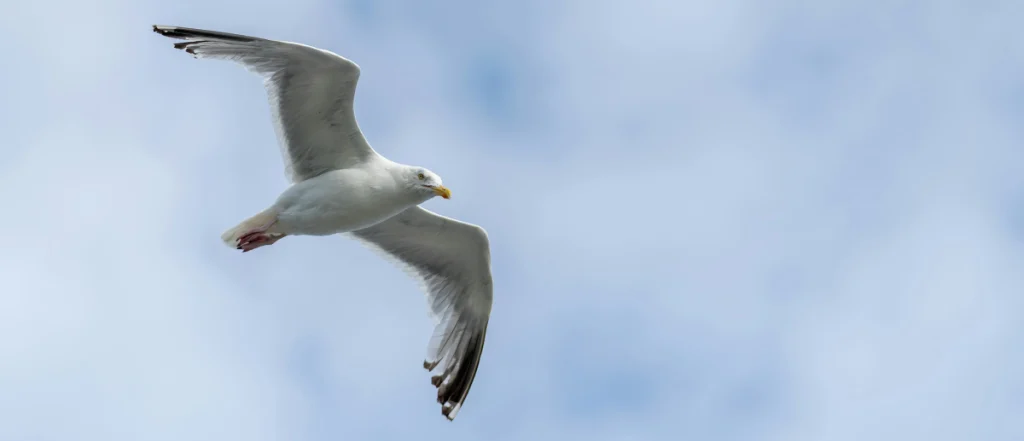
Seagulls, particularly the Herring Gull and Lesser Black-backed Gull are commonly found in Brighton and have adapted to city life where food is readily available. Seagulls are opportunistic feeders. Human food is a quick and convenient source of nutrition, making it an easy option for them. In fact, studies show that seagulls actually prefer food that has been handled by humans, indicating that they associate areas where people are eating with easy meals. (Royal Society Open Science).
What Do Seagulls Eat? 🍔
Seagulls in Brighton are opportunistic feeders, meaning they’ll gobble up a variety of things. Their natural diet consists of fish, shellfish, insects, and other marine animals. However, Brighton’s gulls have become accustomed to city life and have learned to exploit the abundance of human food sources like chips, pastries, scraps from bins, ice cream, and general leftovers.
Even so, Seagulls remain natural foragers, and do still travel out to sea to catch fish, where you wouldn’t see them from the beach or city centre. So, even though they might seem more interested in your ice cream than a swim, Brighton’s seagulls are likely still incorporating raw fish into their diet from time to time. In fact, a new 2024 study by the Centre for Ecology and Conservation at the University of Exeter indicates that Herring gulls prefer a natural diet over human food.
While they have adapted to an extremely varied diet, feeding them human food is still not good for them. It can make them unhealthy, and it can also make them more aggressive towards people.
12 Tips to Prevent Seagulls Stealing Your Food in Brighton:
- Look Over Your Shoulder 👀
One of the sneakiest tactics in a seagull’s food-snatching arsenal is the surprise attack from behind. Unlike bold dives from the front, these aerial muggings can happen in a blink. Maintain a healthy dose of paranoia – keep an eye out over your shoulder, especially when taking bites or turning away from your food. This extra bit of vigilance can be the difference between enjoying your seaside snack and becoming a seagull’s next target.
- Be Extra Aware During Nesting Season 🪺
Around late May, seagulls become more protective and aggressive as they are nesting, they’re also more likely to steal food as they’re trying to raise their chicks.
- Eat-in Rather than Taking Away 🛖
Taking a break from the sun and enjoying your meal indoors can significantly reduce the risk of a seagull encounter. Once you’ve finished your meal, you can relax outside without constant vigilance.
- Staring at Seagulls is Effective 👁️
Believe it or not, seagulls are less likely to approach you if they feel watched. Giving them a stare encourages them to think twice about swooping in. A 2019 study by the Royal Society found that herring gulls took around 21 seconds longer to try and steal when they are being watched, though behaviour varies across individual seagulls.
- Eat Quickly 💨
If possible, try to savour your food with a bit of pace. The longer you spend holding it, the more time seagulls have to spot and target you. This is especially important for those with children, who tend to leave food unattended for a moment.
- Use Re-sealable Containers 🥡
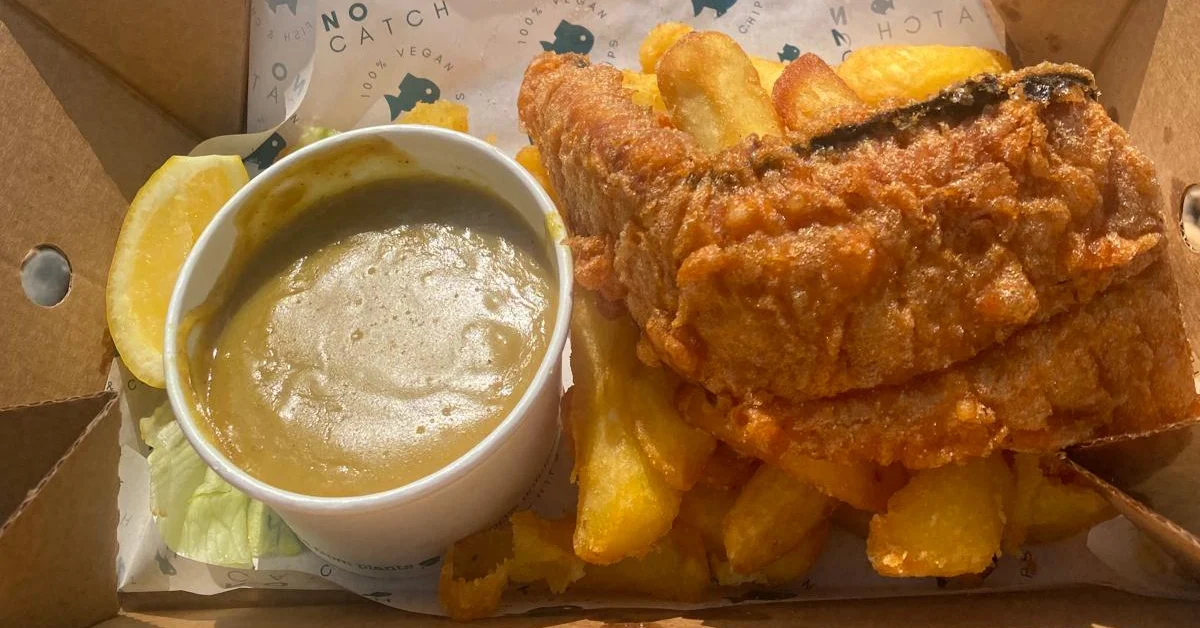
Keeping your food in containers with secure lids makes it harder for seagulls to snatch it. Cover your food whenever you’re not actively eating, and only take out what you plan to consume in one go. Consider where you get your food from and what kind of packaging it comes in. Some shops, like “No Catch” for example, provide sturdy cardboard boxes for takeout fish and chips, allowing you to close the lid periodically if you find yourself under attack.
- Avoid Tourist Hotspots 🗺️
Seagulls are well aware that busy areas mean more food. Steer clear of popular tourist spots where seagulls are likely to be more aggressive and accustomed to human presence. If you do find yourself in a busy area, it’s always worth having a little walk away from the kiosk or shop where you got your food, so that you’re outside of the dive bomb zone (though still keep an eye out).
- Don’t Sit Out in the Open with Food 🧘♂️
Choose a spot under a shelter, bench, or next to a wall to limit a seagull’s view of your food. These obstacles make it more difficult for them to swoop down unnoticed.
- Confuse them 🧠
Brighton has a pebble beach, meaning you’ve got unlimited ammunition to cause a slight scare and fight for some peace. On occasion (when surrounded) I’ve thrown small pebbles as distractions to confuse the birds, they sometimes chase them thinking you are throwing bits of food. Though, this only works temporarily.
To be clear – We would never suggest throwing anything at the birds directly, even if you’re meaning to throw things ‘near’ them to give them a scare. As it’s easy to make a mistake and it can cause injuries. It’s just not cool to do this to an animal. But if that’s not enough, gulls and their eggs and nests are protected under the Wildlife and Countryside Act 1981. Brighton locals will also not take kindly to this behaviour.
- Ask Kids to Chase Them Around (or do it yourself) 🏃
Kids love chasing seagulls, especially when they get the go-ahead. While this is slightly unfair to the birds, as long as they don’t get hurt, it’s probably going to be one of the best deterrents. It gives you some peace from the birds while you enjoy your food, though you are trading this off for annoying kids, chasing birds instead.
- Don’t Feed the Seagulls, It Encourages Bad Habits 🚫
Feeding seagulls, even as a distraction, only encourages their bad behaviour. They quickly learn to associate humans with food, becoming bolder and more persistent. Sometimes it can be tempting to throw a chip in the other direction (at an unsuspecting family, no less!), but this will only grant you a few seconds of peace before the seagull returns with its entire flock.
- Take Your Rubbish With You 🗑️
Always dispose of your litter properly and use gull-proof bins where possible. There are skip style bins with lids on Brighton seafront. Leaving rubbish around attracts seagulls, contributing to the problem. Keeping the area clean helps deter them from gathering. Leaving rubbish around is also bad for the environment and damages local wildlife.
- Don’t Be Mad, It Happens to Us All 🙃
Remember, seagulls are just trying to survive. They don’t have a personal vendetta against you, they’re simply looking for an easy meal. Understanding their behaviour can help you deal with them more calmly.
Despite their stealing habits, seagulls are fascinating creatures with remarkable adaptability and intelligence. Taking a moment to appreciate their beauty when you’re next at the beach!

When Did Seagulls Start Eating Human Food? 📜
It’s hard to know when seagulls started eating our chips rather than fish, but it’s clear that they’ve adapted over hundreds of years during the growth of coastal towns and cities, presenting an attractive food source for the birds. This likely happened gradually over centuries as human settlements expanded along coastlines.
Historically, waste disposal methods were less efficient, leading to more readily available food scraps for scavengers like seagulls. This would have further encouraged them to seek out human settlements for food.
The development of commercial fishing practices could have unintentionally provided more food for seagulls. Discarded fish parts and scraps from processing plants might have attracted them and shown them the potential of human-provided food.
Are Brighton Seagulls Dangerous? 🤕
Brighton’s seagulls are more of a cheeky nuisance than a genuine danger. While notorious for swooping down to snatch chips or ice cream left unattended, their primary concern is pilfering a tasty treat. They might become more assertive during nesting season (spring and summer) if you get too close to their young.
Serious injuries from seagulls are uncommon in Brighton, but they do happen occasionally.
Fun Facts About Seagulls:
- There are about 50 seagull species worldwide, with six common types in the UK.
- Fossils suggest gull-like ancestors existed since the Early Oligocene (~34 million years ago).
- Seagulls mate for life, sharing egg incubation and chick care.
- Seagulls can live up to 15 years.
- Seagulls have glands above their eyes to drink saltwater.
- Like humans, seagulls sleep mostly at night and sometimes during the day.
- Some species of seagulls, such as Herring and closely related species have a red spot on their beak, it’s instinctual for chicks to peck this and encourage the parent to regurgitate food for them.
FAQs – Seagulls in Brighton
Is it okay to feed the seagulls in Brighton?
No, it’s not recommended to feed the seagulls in Brighton. While it might seem like a fun thing to do, it actually encourages them to rely on human food sources. This can be unhealthy for them and make them more aggressive towards people searching for their own snacks.
Can seagulls smell our food?
Seagulls have a weaker sense of smell compared to their sight and hearing. They primarily rely on their excellent vision to spot potential food sources from afar. So, while they might detect some strong odours, they’re more likely to swoop down on that unattended bag of chips because they saw you open it, not because they smelled it.
What foods do seagulls steal the most?
Brighton’s seagulls are opportunistic feeders and have a particular fondness for readily available human food. They tend to steal: fish and chips, pastries, donuts, pizza, general left overs and even ice cream!
Do you get refunds if seagulls steal your food in Brighton?
Unfortunately, there’s no official policy for refunds if a seagull nabs your lunch in Brighton. It’s considered an act of nature and outside the control of restaurants or cafes. However, some establishments might be understanding and offer a replacement or discount depending on the situation. It may be worth asking but it would seem a bit cheeky as it’s outside of the restaurant’s control and is more on you for not being vigilant enough.
Are you allowed to eat seagulls?
No, seagulls in the UK are protected under the Wildlife and Countryside Act 1981 due to their declining numbers, making it illegal to harm or kill them. Additionally, seagulls are not considered palatable due to their diet – their meat is tough and leathery. Consuming seagulls also poses health risks as they may carry parasites and diseases transmissible to humans.
If you’re still not put off… Sailors have long held the superstition that killing a seabird brings bad luck!
Are seagulls getting bigger?
Contrary to popular belief, there’s no evidence of seagulls getting universally bigger. While natural selection might favour larger individuals within a species, seagull size seems to be in a delicate balance. Increased size can be advantageous for competition, but it comes at the cost of flight efficiency, agility, and calorie requirements. This likely creates an optimal size range for each species, keeping them from becoming giants. Perceptions of larger gulls might stem from encountering different species with varying sizes, natural variations within gull populations, or simply seeing them more often in urban areas.
How do seagulls detect food?
Seagulls detect food using a combination of their excellent eyesight, sense of smell, and group behaviour. They have evolved to spot potential food sources from up to 3 miles away. When one gull spots food and heads towards it, others in the group instinctively follow, both for safety and to share in the meal. Seagulls are non-migratory scavengers, meaning they stay close to reliable food sources like marinas, restaurants, and parks, and often nest nearby, ensuring they are never far from their next meal.
Thanks for reading, hold on to your chips!
Now that you’re armed with seagull intel, you’re ready to enjoy a day on Brighton beach! Keep in mind that these crafty birds play an important role in the local ecosystem. If you’ve got any additional tips, send them my way and I’ll consider adding them to the guide!

Based in Brighton since 2023, Mitch is all about uncovering hidden gem restaurants and supporting independents over chains. With a seasoned palate developed from years of eating out, he’s your go-to for discovering the best local spots.